Most of us don’t think much about our teeth until something starts to hurt. A little sensitivity, occasional bleeding while brushing, or bad breath can seem like minor issues that will disappear on their own. Sometimes they do, but often these small changes are the first signs that something needs attention.
The good news is that many dental problems can be managed more easily when they are identified early. Knowing the common warning signs can help you decide when it’s time to schedule a dental checkup instead of waiting for the problem to become painful.
If you’re looking for a dental clinic in Pitampura, understanding these signs can also help you know what to discuss during your appointment.
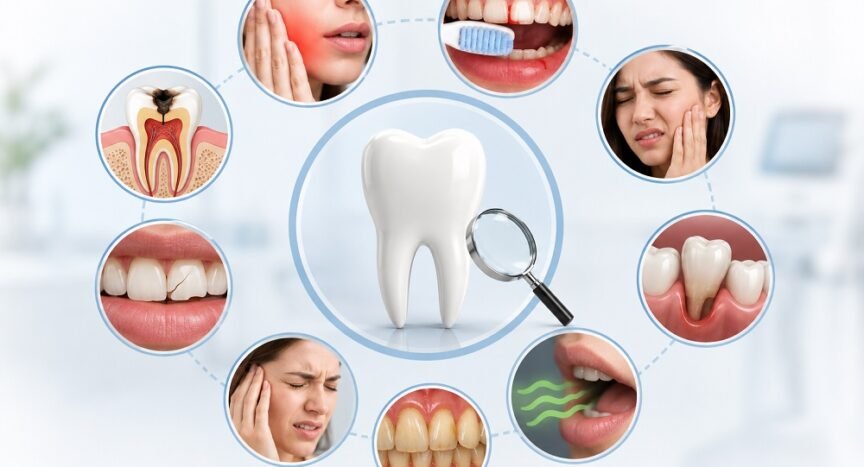
1. Toothache or Persistent Tooth Pain
Tooth pain is one of the most obvious signs that something isn’t right. It can range from a mild ache to sharp or throbbing pain and may appear while eating, drinking, or even when you’re resting.
Common causes include:
- Tooth decay
- Dental infection
- Cracked or damaged teeth
- Gum problems
- Tooth sensitivity
- Problems with an existing filling or crown
A toothache that keeps coming back shouldn’t be ignored simply because the pain temporarily disappears. Some dental problems can continue developing even when symptoms become less noticeable.
2. Tooth Sensitivity
Do you feel a sharp sensation when drinking something cold or eating hot food? You may be experiencing tooth sensitivity.
Sensitivity can occur when the protective enamel becomes worn down or when the gums recede and expose parts of the tooth that are normally protected.
It can also be associated with cavities, cracked teeth, gum disease, or aggressive brushing.
Occasional sensitivity isn’t always a serious problem, but persistent or worsening sensitivity deserves professional attention.
3. Bleeding Gums
Seeing a little blood while brushing or flossing is often dismissed as normal. In reality, bleeding gums can be a warning sign of gum inflammation.
Early gum disease, commonly known as gingivitis, may cause:
- Red or swollen gums
- Bleeding while brushing
- Tenderness around the gums
- Persistent bad breath
With proper dental care and improved oral hygiene, early gum problems can often be managed effectively. However, leaving them untreated may allow the condition to become more serious.
4. Bad Breath That Doesn’t Go Away
Everyone experiences bad breath from time to time, particularly after eating certain foods. Persistent bad breath, however, may have an underlying cause.
Poor oral hygiene, gum disease, tooth decay, dry mouth, and bacteria on the tongue can all contribute to unpleasant breath.
If brushing, flossing, cleaning your tongue, and drinking enough water don’t improve the problem, it’s worth discussing it with a dentist.
Bad breath isn’t something you simply have to live with. Finding the underlying cause can make a significant difference.
5. Cavities and Tooth Decay
Cavities are among the most common dental problems. They develop when bacteria in the mouth produce acids that gradually damage the tooth enamel.
In the beginning, a cavity may not cause any noticeable symptoms. As it becomes deeper, you may experience:
- Sensitivity
- Toothache
- Pain when eating sweets
- Visible spots or holes
- Food getting stuck in a particular area
Regular dental examinations are useful because a dentist may identify early decay before it starts causing significant discomfort.
6. Swollen or Red Gums
Healthy gums generally look firm and pink. Swelling, redness, tenderness, or changes in the gumline can indicate inflammation.
Gum problems may develop because of plaque buildup, poor oral hygiene, hormonal changes, smoking, or other factors.
If your gums remain swollen for several days or you notice frequent bleeding, don’t wait for the condition to become painful before getting it checked.
7. Loose or Shifting Teeth
Adult teeth are meant to remain firmly in place. If a tooth feels loose or you notice changes in the way your teeth fit together, it’s important to get it examined.
Loose teeth can sometimes be associated with advanced gum disease, infection, injury, or other dental conditions.
Early evaluation may help identify the cause and determine whether the tooth can be protected.
8. Cracked or Chipped Teeth
Teeth can crack or chip because of accidents, biting hard foods, teeth grinding, or general wear over time.
A small chip may not cause pain, but a crack can sometimes extend deeper into the tooth and lead to sensitivity or infection.
If you notice a damaged tooth, avoid chewing hard foods on that side until you can have it examined.
Depending on the situation, treatment could involve bonding, a filling, a crown, or another suitable option.
9. Jaw Pain or Difficulty Opening Your Mouth
Dental problems aren’t always limited to the teeth themselves.
Pain around the jaw, clicking sounds, difficulty opening the mouth, or discomfort while chewing can sometimes be associated with the jaw joint or surrounding muscles.
Teeth grinding and clenching may also contribute to jaw discomfort.
If the symptoms continue or interfere with eating and everyday activities, a dental evaluation can help determine what’s causing them.
10. Changes in the Mouth That Don’t Heal
A sore, lump, irritation, or unusual patch inside the mouth that doesn’t heal should not be ignored.
Many mouth sores are harmless and disappear within a short period. However, persistent changes should be evaluated by a dental professional, particularly if they continue to grow, bleed, or cause discomfort.
Getting something checked doesn’t necessarily mean there is a serious problem. It simply means you’re taking a sensible approach to your oral health.
When Should You See a Dentist?
Not every dental problem requires an emergency appointment, but certain symptoms deserve prompt attention.
Consider contacting your dentist if you experience:
- Severe or persistent tooth pain
- Facial or gum swelling
- A loose adult tooth
- Bleeding that doesn’t stop
- A broken or severely damaged tooth
- Difficulty swallowing or breathing
- Signs of a dental infection
- Persistent mouth sores or unusual changes
For less urgent concerns, regular dental checkups can help identify problems before they become more complicated.
Prevention Is Better Than Waiting for Pain
One of the simplest ways to protect your teeth is to maintain a consistent oral hygiene routine.
Try to:
Brush twice a day: Use fluoride toothpaste and brush gently for around two minutes.
Clean between your teeth: Floss or use another dentist-recommended method to remove food and plaque from areas your toothbrush can’t reach.
Limit frequent sugary snacks: Repeated exposure to sugar can increase the risk of tooth decay.
Drink plenty of water: Water can help wash away food particles and support a healthy mouth.
Don’t ignore symptoms: If something feels different or unusual, getting it checked early is usually better than waiting.
Visit your dentist regularly: Routine examinations allow potential problems to be identified before they become painful or difficult to treat.
How to Choose the Right Dental Professional
Choosing a dentist isn’t just about finding the closest clinic. You want someone who listens to your concerns, explains treatment options clearly, and takes the time to understand your individual needs.
If you’re searching for the best dentist in Pitampura, consider factors such as the dentist’s experience, clinic hygiene, treatment options, communication style, and patient care.
A comfortable relationship with your dentist can make it much easier to maintain regular checkups and address small concerns before they develop into bigger ones.
Don’t Wait Until Your Tooth Hurts
Dental problems don’t always announce themselves with severe pain. Sometimes the first signs are much quieter—a little bleeding while brushing, increased sensitivity, persistent bad breath, or a change in the way a tooth feels.
Paying attention to these warning signs can help you take action sooner.
If you’re experiencing an ongoing dental concern, visiting a trusted dental clinic in Pitampura can help you understand what’s causing it and what treatment options may be appropriate.
And if you’re looking for the best dentist in Pitampura, focus on finding a professional who prioritizes proper diagnosis, clear communication, preventive care, and your long-term oral health.
Your teeth don’t need to hurt before they deserve attention. Regular care and early dental evaluation can go a long way toward keeping your smile healthy for years to come.